


EDUCATION
Welcome to our Education Hub
Feline diabetes is a manageable condition, and with the right care, both you and your cat can continue to enjoy your lives together. This Education Hub offers clear, vet-reviewed information on symptoms, diagnosis, treatment, and daily management—designed to help you care confidently for your diabetic cat.
Understanding Diabetes in Cats
Feline diabetes mellitus occurs when a cat has insufficient levels of, or an abnormal response to insulin. This may result in high glucose in the blood that could lead to clinical signs that you may have noticed.

Articles by Category

Is Your Cat at Risk of Diabetes?
Image
Answer these questions to assess your cat’s risk for diabetes, or if it may already be diabetic. Read on to find out more.
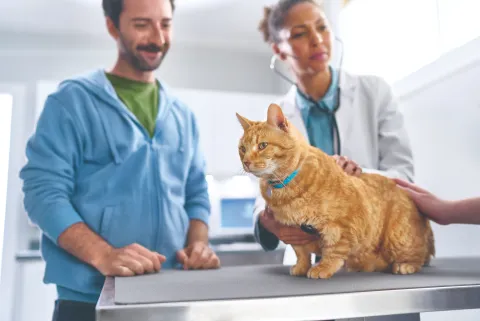
What You Need to Know About DKA
Image
Diabetic ketoacidosis (DKA) is a severe and dangerous metabolic imbalance. All diabetic patients are at risk of experiencing DKA, despite the medication they may receive, so it’s important for you to monitor.

Diet and nutrition for cats with diabetes
Image
Diet is an important part of managing diabetes in cats. The right nutrition helps regulate blood sugar, supports a healthy weight, and works alongside treatment from your vet. A carefully planned diet not only helps your cat feel better day to day but can also improve the chance of remission in some cats.

Does your cat have diabetes? How to notice early signs
Image
Cats, like people, can develop diabetes when their bodies are no longer able to manage blood sugar properly. When sugar levels remain too high, it can make cats feel unwell and, over time, cause more serious health problems.

Your guide to monitoring blood sugar levels in feline diabetes
Image
For lots of people, finding out that their cat has diabetes is a worrying time. This is normal, but the good news is that keeping track of your diabetic cat’s blood sugar level is probably much easier than you expect. Read on to find out more.
Important Safety Information
SENVELGO® (velagliflozin oral solution) is indicated to improve glycemic control in otherwise healthy cats with diabetes mellitus not previously treated with insulin.
Before using this product, it is important to read the entire product insert, including the boxed warning.
Cats treated with SENVELGO® may be at an increased risk of diabetic ketoacidosis or euglycemic diabetic ketoacidosis, both of which may result in death.
Development of these conditions should be treated promptly, including insulin administration and discontinuation of SENVELGO®.
Do not use SENVELGO® in cats with diabetes mellitus who have previously been treated with insulin, who are receiving insulin, or in cats with insulin-dependent diabetes mellitus.
The use of SENVELGO® in cats with insulin-dependent diabetes mellitus, or the withdrawal of insulin and initiation of SENVELGO®, is associated with an increased risk of diabetic ketoacidosis or euglycemic diabetic ketoacidosis and death.
Sudden onset of hyporexia/anorexia, lethargy, dehydration, or weight loss in cats receiving SENVELGO® should prompt immediate discontinuation of SENVELGO® and assessment for diabetic ketoacidosis, regardless of blood glucose level.
SENVELGO® should not be initiated in cats with ketonuria, ketonemia, pancreatitis, anorexia, dehydration, or lethargy at the time of diagnosis of diabetes mellitus, as it may indicate the presence of other concurrent disease and increase the risk of diabetic ketoacidosis.
Keep SENVELGO® in a secure location out of reach of children, dogs, cats, and other animals to avoid accidental ingestion or overdose.
For more information, please see full prescribing information.