
Diet and nutrition for cats with diabetes
Diet is an important part of managing diabetes in cats. The right nutrition helps regulate blood sugar levels, supports a healthy body weight, and works alongside the treatment plan set up by your vet. A customized diet plan not only helps your cat feel better day to day but can also increase the chance of achieving diabetic remission in some cats.

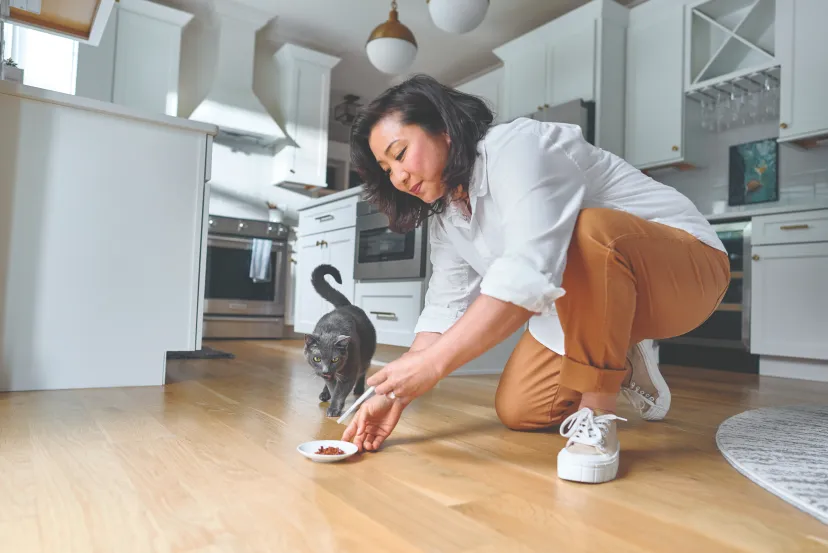
Weight management
Maintaining a healthy body weight is one of the most important parts of diabetes care. For overweight or obese cats, safe and steady weight loss (about 0.5–2% of body weight per week) can help improve how effectively your cat's cells respond to insulin and help bring blood sugar levels under control. However, if your cat has lost weight due to their diabetes, they may need a diet focused on recovering muscle mass. Each diabetic cat will have its own weight management needs depending on their body composition.
Prioritizing a high-protein, low carbohydrate diet
Cats with diabetes do best on diets that are high in protein and lower in carbohydrates. A high-protein diet typically means one with at least 40% of calories from protein.
- Protein supports muscle, provides steady energy, and helps cats feel full.
- Fewer carbohydrates reduce spikes in blood sugar after meals.
- Studies show that when combined with insulin, a high-protein, low-carbohydrate diet can increase the chance of remission, especially if treatment begins early.
Follow a veterinarian's recommendation on whether a high-protein, low carbohydrate diet is appropriate for your cat.

Practical feeding tips
Feeding methods should support stable blood sugar levels and weight management, but also be practical to easily integrate into both your routines.
- Prepare measured portions to track intake more easily.
- Divide food into smaller meals throughout the day; timed feeders can help.
- Keep canned food on hand, it’s generally lower in carbohydrates, easier to portion, less calorie-dense, and provides extra hydration.
Support diabetes control through diet
The right diet helps bring diabetes under control and supports your cat’s long-term health. By focusing on protein-rich, low-carbohydrate foods and feeding in a structured way, you may help reduce symptoms and improve quality of life. With your vet’s guidance, dietary changes can even increase the chance of diabetic remission.
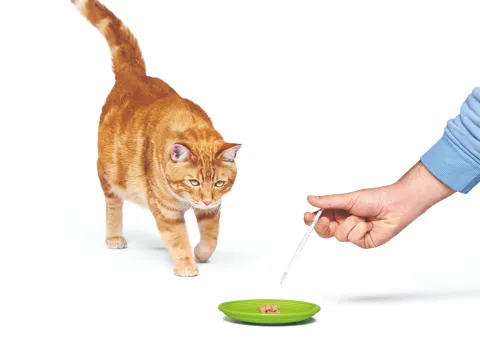
Important Safety Information
SENVELGO® (velagliflozin oral solution) is indicated to improve glycemic control in otherwise healthy cats with diabetes mellitus not previously treated with insulin.
Before using this product, it is important to read the entire product insert, including the boxed warning.
Cats treated with SENVELGO® may be at an increased risk of diabetic ketoacidosis or euglycemic diabetic ketoacidosis, both of which may result in death.
Development of these conditions should be treated promptly, including insulin administration and discontinuation of SENVELGO®.
Do not use SENVELGO® in cats with diabetes mellitus who have previously been treated with insulin, who are receiving insulin, or in cats with insulin-dependent diabetes mellitus.
The use of SENVELGO® in cats with insulin-dependent diabetes mellitus, or the withdrawal of insulin and initiation of SENVELGO®, is associated with an increased risk of diabetic ketoacidosis or euglycemic diabetic ketoacidosis and death.
Sudden onset of hyporexia/anorexia, lethargy, dehydration, or weight loss in cats receiving SENVELGO® should prompt immediate discontinuation of SENVELGO® and assessment for diabetic ketoacidosis, regardless of blood glucose level.
SENVELGO® should not be initiated in cats with ketonuria, ketonemia, pancreatitis, anorexia, dehydration, or lethargy at the time of diagnosis of diabetes mellitus, as it may indicate the presence of other concurrent disease and increase the risk of diabetic ketoacidosis.
Keep SENVELGO® in a secure location out of reach of children, dogs, cats, and other animals to avoid accidental ingestion or overdose.
For more information, please see full prescribing information.