
Your guide to monitoring blood sugar levels in feline diabetes

For lots of people, finding out that their cat has diabetes is a worrying time. This is normal and you will learn a lot as you build your cat's management plan. The good news is that tracking your cat's blood sugar levels is probably easier than you expect. Read on to find out more.
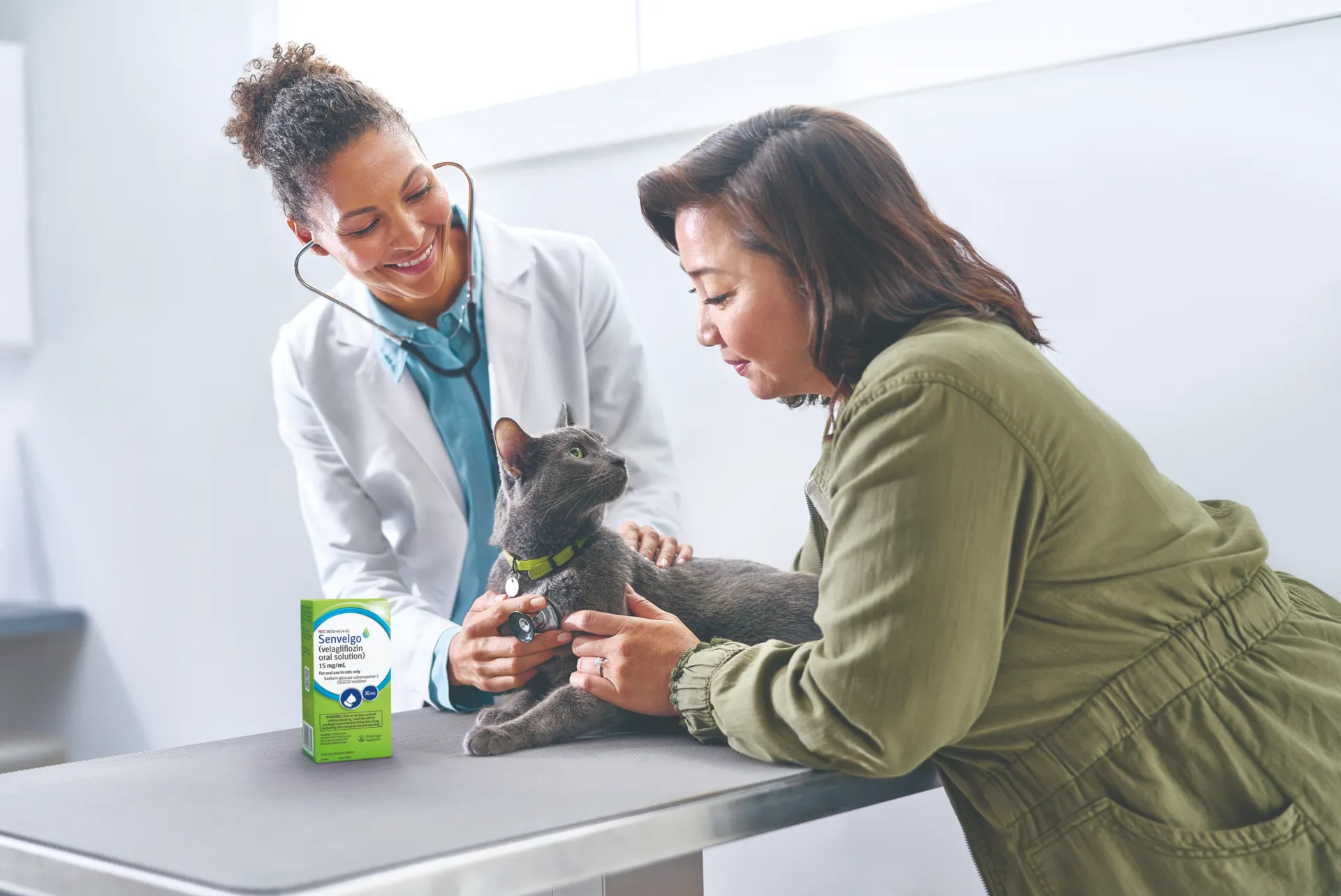
Normal vs Diabetic Blood Sugar Levels
Blood sugar is the energy source that fuels your cat's cellular activity. Any carbohydrate that a cat eats is broken down in the gastro-intestinal tract and is absorbed into the bloodstream. Insulin plays a vital role in managing blood sugar levels as it helps sugar move from the bloodstream into the cells of the body. Insulin is the key that unlocks the door of the cell, and without that open door, excess sugar starts to build up in the bloodstream.
Feline Blood Sugar Levels
Normal blood sugar is in the range of 80-120 mg/dL for cats.
Diabetic blood sugar levels are above this range and are persistently higher than 200 mg/dL.

Monitoring Diabetic Cats
If your cat has diabetes, there are a few things that your veterinarian may ask you to help monitor:
- Signs of diabetes, like excess thirst and urination
- Urine sugar levels
- Blood sugar levels
Signs of diabetes
When your diabetic cat starts treatment, you’ll be asked to keep an eye on their appetite, and how much they are drinking and urinating. Keeping a diary is a simple way to track slight changes over time. This will help you and your veterinarian know if you cat's diabetes is well-managed.
- Urine Sugar Levels
Your veterinarian may ask you to check your cat's urine for glucose (done with a simple dipstick, which is a test strip applied to the litter and may show presence of glucose). - Blood Sugar Levels
Regular blood sugar monitoring is important when cats with feline diabetes are being treated with insulin. This can be done in a number of ways – sometimes a veterinarian will ask you to check your cat’s sugar just before they are given their dose of insulin (not to worry, they will show you how!), or the vet may take a blood sample to measure fructosamine. Fructosamine is a measure of how high the blood sugar has been on average over the last two weeks.
Some veterinarians use continuous glucose monitors (eg, FreeStyle Libre) that take readings several times a day over several days.
Sometimes your veterinarian may need to see a blood glucose curve which may entail a clinic visit for your cat. Lots of pet owners worry about getting a blood sample from their cat, but with a little practice and patience, it’s straightforward.
Understanding Glucose Curves
A blood glucose curve tells the veterinarian how quickly the blood sugar goes down after treatment and when it starts to go back up. It gives them the information they need to help them ensure that a diabetic cat is getting just the right amount of insulin.
Collecting blood samples at home to inform the blood glucose curve is preferred as stress levels at the clinic can make results challenging to interpret.
Blood Sugar Testing
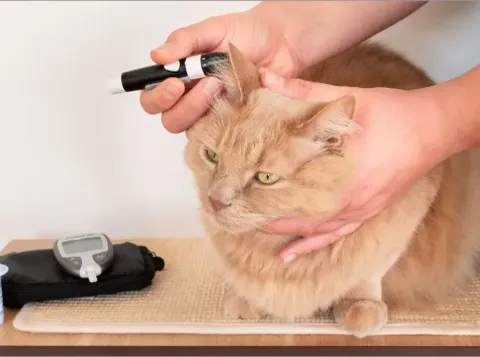
Getting a blood sample at home is easier than you might think. Only a tiny drop of blood is needed, and you simply collect this blood sample and deposit it onto a test strip and then use a hand-held device called a glucometer to check the sugar levels. Your veterinarian will show you how to use a small lancet on the edge of your cat’s ear or paw pad to get just enough blood. Most cats tolerate this well, and most owners find it easy after doing it a few times.
To run a blood glucose curve, your veterinarian will ask you to take blood samples throughout the day (normally every 2-4 hours for up to 12 hours). The first sample is usually taken before the morning insulin injection and meal. Your veterinarian will then create and evaluate the results on a chart (the “curve”) and decide whether your cat needs any more or less insulin to control their diabetes.
You should never alter your cat’s insulin dose without checking with your veterinarian first.
Dietary Considerations
Because blood sugar comes from what a cat eats, it’s important to feed them an appropriate diet. The ideal food for a diabetic cat is low in carbohydrates and high in protein, to help avoid large and sudden spikes in blood sugar after eating.1 Many commercial cat foods are high in carbohydrates, so your veterinarian will often recommend a food that is specially formulated for diabetic cats.
To help keep a diabetic cat stable, they should have a very consistent feeding schedule, with the same amount and type of food given at the same time each day. Your veterinarian will help you create a feeding schedule that best fits your cat and your lifestyle.
Obesity is an important contributing factor to feline diabetes; therefore your veterinarian will give you tips on how to maintain your cat’s ideal weight so that their diabetes can be managed better.
Signs of Hyperglycemia (High Blood Sugar)
Hyperglycemia in cats occur when the blood sugar levels are persistently too high. This can happen when a diabetic cat hasn’t yet been diagnosed or when they aren’t getting enough insulin.
Signs to look for include:
- Excessive thirst
- Excessive urination
- Increased appetite
- Weight loss
If you notice any of these signs, contact your veterinarian so that they can assess your cat’s treatment.
Signs of Hypoglycemia (Low Blood Sugar)
Hypoglycemia in cats occurs when the blood sugar levels become too low and there is not enough energy for the cells to function normally, especially in the brain. It can happen after an insulin dose is given if either the dose is higher than the cat needs or they don’t eat enough food.
Signs to look for include:
- Lethargy
- Being wobbly on their feet
- Sometimes seizures can occur
Common Complications of Feline Diabetes
Feline diabetes can be managed very successfully, giving diabetic cats an excellent quality of life. To ensure this success, regular checkups to your veterinarian are important to monitor and adjust the treatment plan as needed. Feline diabetes complications tend to occur where cats are either not diagnosed or treated, or where their diabetes isn’t well controlled. The potential long- term effects of feline diabetes are best avoided by early diagnosis, regular monitoring, and consistent treatment.
Common Long-Term Side Effects of Feline Diabetes
- Nerve Damage
Uncontrolled high blood sugar levels can be toxic to certain cells in the body. The cells in the nervous system are particularly sensitive to this. Over time the nerves in the back legs can be affected, leading to something called a "plantigrade" stance (when a cat stands with its weight on its heels or ankles, instead of its paws). - Kidney Damage
Just like the nervous system, the kidneys are sensitive to damage from high blood sugar levels, contributing to chronic kidney disease. - Urinary Tract Infections
The excess sugar in the urine can predispose cats to developing urinary tract infections, which may require antibiotics to treat the infection. - Diabetic Ketoacidosis (DKA)
When the body can't use sugar as a fuel, it turns to fat and proteins instead. The breakdown of excess fats produces ketones that cause the blood to become acidic and results in electrolyte imbalances in the blood. This is an emergency and requires immediate hospitalization and appropriate treatment.
Signs of DKA include:
- Vomiting
- Lethargy or weakness
- Reduced appetite
- Dehydration
- Sweet smell to breath
- Breathing faster
- Drinking more
- Urinating more
Hypoglycemia Is Serious and Needs Urgent Treatment
If your diabetic cat seems lethargic or wobbly, then you should rub a sweet liquid on their gums, such as corn syrup, molasses, or honey. This will help increase the blood sugar quickly. This fix is only temporary; therefore, you should take your cat to your veterinarian or an emergency clinic straight away for follow-up monitoring and treatment. If you have a veterinary glucose monitor at home, get a quick reading after giving them a sweet liquid and call your veterinarian for further advice.
Dr. Dawn Spangler
Dr. Dawn Spangler graduated from the Ohio State University College of Veterinary Medicine and spent 11 years in private practice. She then worked at Proctor & Gamble as an Attending Veterinarian and Senior Scientist. She earned a Master of Science in Veterinary Medical Sciences from the University of Florida and became a boarded Diplomate of the American College of Veterinary Preventive Medicine.

Important Safety Information
SENVELGO® (velagliflozin oral solution) is indicated to improve glycemic control in otherwise healthy cats with diabetes mellitus not previously treated with insulin.
Before using this product, it is important to read the entire product insert, including the boxed warning.
Cats treated with SENVELGO® may be at an increased risk of diabetic ketoacidosis or euglycemic diabetic ketoacidosis, both of which may result in death.
Development of these conditions should be treated promptly, including insulin administration and discontinuation of SENVELGO®.
Do not use SENVELGO® in cats with diabetes mellitus who have previously been treated with insulin, who are receiving insulin, or in cats with insulin-dependent diabetes mellitus.
The use of SENVELGO® in cats with insulin-dependent diabetes mellitus, or the withdrawal of insulin and initiation of SENVELGO®, is associated with an increased risk of diabetic ketoacidosis or euglycemic diabetic ketoacidosis and death.
Sudden onset of hyporexia/anorexia, lethargy, dehydration, or weight loss in cats receiving SENVELGO® should prompt immediate discontinuation of SENVELGO® and assessment for diabetic ketoacidosis, regardless of blood glucose level.
SENVELGO® should not be initiated in cats with ketonuria, ketonemia, pancreatitis, anorexia, dehydration, or lethargy at the time of diagnosis of diabetes mellitus, as it may indicate the presence of other concurrent disease and increase the risk of diabetic ketoacidosis.
Keep SENVELGO® in a secure location out of reach of children, dogs, cats, and other animals to avoid accidental ingestion or overdose.
For more information, please see full prescribing information.