
Does your cat have diabetes? How to notice early signs
Cats, like people, can develop diabetes when their bodies are no longer able to manage blood sugar levels properly. When sugar levels remain too high, it can make cats feel unwell and, over time, cause more serious health problems. While a diagnosis may sound worrying at first, diabetes in cats is very manageable. With veterinary guidance most cats respond well to treatment and go on to live comfortable lives.
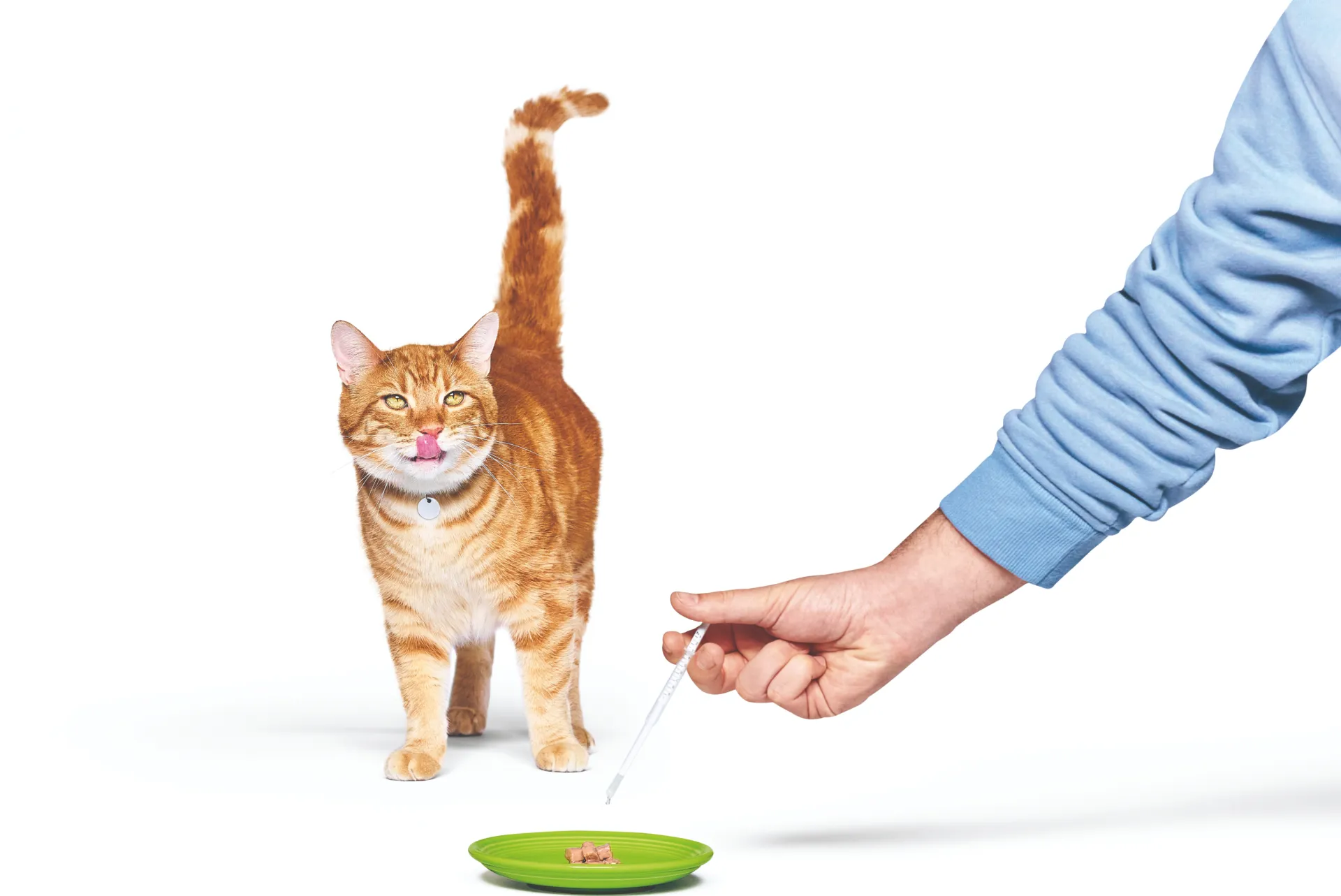
Spot the early signs
Cats are experts at hiding illness, which makes it easy to miss the early stages of diabetes. That is why paying attention to small shifts in your cat’s habits is so important. You might notice that the litter box fills up more quickly with urine, or that the water bowl seems to empty faster than usual. Some cats may be hungrier than normal but still lose weight, while others may seem to have less energy and spend more time sleeping. Even if these changes seem minor, they can be early warnings. Sharing your observations with your vet can help manage your cat's wellbeing.
Why early treatment makes a difference
Catching diabetes early is one of the most important steps you can take. Treatment helps bring blood sugar levels back into balance, which means your cat feels more energetic and comfortable. Early care may also prevent complications that can develop if blood sugar levels stay too high for too long, such as weakness in the back legs or recurring infections. In some cats, early treatment may even lead to remission, meaning diabetes resolves to the point where medication may not be needed for a period of time, or even indefinitely. Even if remission is not reached, the benefits that come with early treatment can still improve your cat’s quality of life and may provide a better long-term prognosis.
Success Stories From Owners Like You
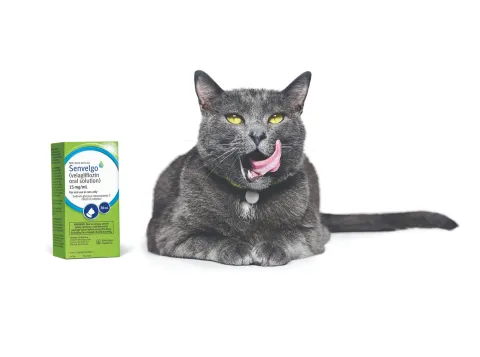
Cat owners share the unique experiences of their cat's diabetes diagnosis and treatment with SENVELGO® oral solution.
Important Safety Information
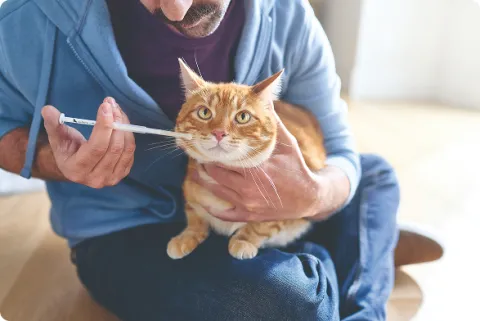
SENVELGO® (velagliflozin oral solution) is indicated to improve glycemic control in otherwise healthy cats with diabetes mellitus not previously treated with insulin.
Before using this product, it is important to read the entire product insert, including the boxed warning.
Cats treated with SENVELGO® may be at an increased risk of diabetic ketoacidosis or euglycemic diabetic ketoacidosis, both of which may result in death.
Development of these conditions should be treated promptly, including insulin administration and discontinuation of SENVELGO®.
Do not use SENVELGO® in cats with diabetes mellitus who have previously been treated with insulin, who are receiving insulin, or in cats with insulin-dependent diabetes mellitus.
The use of SENVELGO® in cats with insulin-dependent diabetes mellitus, or the withdrawal of insulin and initiation of SENVELGO®, is associated with an increased risk of diabetic ketoacidosis or euglycemic diabetic ketoacidosis and death.
Sudden onset of hyporexia/anorexia, lethargy, dehydration, or weight loss in cats receiving SENVELGO® should prompt immediate discontinuation of SENVELGO® and assessment for diabetic ketoacidosis, regardless of blood glucose level.
SENVELGO® should not be initiated in cats with ketonuria, ketonemia, pancreatitis, anorexia, dehydration, or lethargy at the time of diagnosis of diabetes mellitus, as it may indicate the presence of other concurrent disease and increase the risk of diabetic ketoacidosis.
Keep SENVELGO® in a secure location out of reach of children, dogs, cats, and other animals to avoid accidental ingestion or overdose.
For more information, please see full prescribing information.