
Understanding Diabetes in Cats
Feline diabetes mellitus occurs when a cat has insufficient levels of, or an abnormal response to insulin. This may result in high glucose in the blood that could lead to clinical signs that you may have noticed.


What causes feline diabetes?
The most common form of feline diabetes is similar to Type 2 diabetes in humans, in which your cat’s body and cells are unable to respond effectively to insulin. Significant risk factors like obesity, advancing age, certain medications and diseases are all associated with the disease. Even genetics may play a role.

Symptoms of feline diabetes
Early Signs:
- Increased thirst and urination: These are often the first noticeable signs, with cats drinking more water and needing to urinate more frequently.
- Weight loss: Despite eating more, diabetic cats may lose weight.
- Increased appetite: The body’s inabilty to use glucose can lead to increased hunger and a ravenous appetite.
- Lethargy and weakness: Diabetic cats may seem tired, less active, and less interested in playing.
Later or More Advanced Signs:
- Weight loss: Despite eating more, diabetic cats may lose weight because their bodies cannot properly use glucose as energy.
- Excessive thirst and urination: The kidneys try to eliminate extra glucose by producing more urine, which makes cats drink more water.
- Dehydration: Frequent urination leads to loss of fluids, leaving cats dehydrated.
- Weakness and lethargy: Cats may seem tired or uninterested in their surroundings.
- Poor coat and slow healing: Diabetes can be associated with a dull coat, recurrent infections, and wounds that take longer to heal.
- Diabetic neuropathy: Some cats may develop weakness or even adopt a flat-footed stance, walking on their hocks or ankles instead of their paws.
Is Your Cat at Risk for Diabetes?


The importance of early detection
- Control the disease: When blood sugar stays high for too long, it creates a cycle that only makes diabetes worse. Starting treatment early helps break this cycle.
- Prevent future complications: Uncontrolled diabetes can lead to problems like nerve damage, weakness in the back legs, or even infections. Early management helps protect your cat from these risks.
- Aim for remission: Remission may be possible in cats who start treatment early, resolving their symptoms and restoring their quality of life.
Available treatments for feline diabetes
The main clinical goals in the management of diabetes include restoring normal blood glucose levels, controlling weight loss, minimizing thirst and urination. The following are treatment and lifestyle options for cats living with diabetes.
- SGLT2 inhibitors (recent oral medication option): makes managing diabetes simpler. These medications help control blood sugar levels, replacing traditional insulin injection treatment.
- Insulin therapy: Still the backbone of treatment for many cats. Doses are customized to your cat’s needs, and most owners find them manageable with practice.
- Diet and nutrition: For many cats, a low-carbohydrate, high-protein diet helps stabilize blood sugar and supports healthy weight.
- Care from your vet team: Ongoing advice, monitoring, and adjustments keep your cat on track for the best management.

SENVELGO® (velagliflozin oral solution) is a liquid oral solution for cats of all sizes. It has won an ‘Easy to Give’ award and ‘Best New Product for Companion Animals’ award. SENVELGO® is given once daily with a small amount of wet food, or simply dosed directly into your cat’s mouth with the dosing syringe included in the pack.
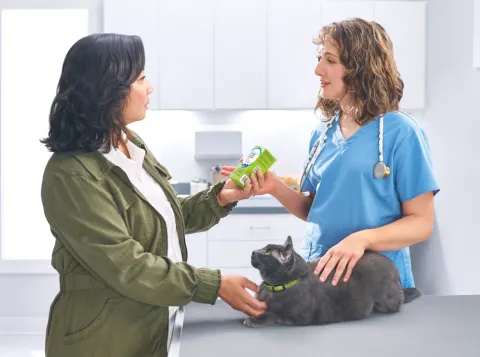
Managing your cat’s health
Even though your cat has been diagnosed with diabetes, SENVELGO® (velagliflozin oral solution) may help you and your diabetic cat continue to enjoy a good quality of life, despite the condition and its treatment requirements. Your veterinarian will prepare a treatment plan that might include recommendations regarding diet, exercise and blood glucose management strategies. For best possible results, follow the plan that your vet prepares. If you need any further support with the treatment plan, or have any questions, please consult with your veterinarian and scan the QR code below for more helpful resources.
3 ways you can support your cat with diabetes
-
Image

Give medication
Works with your cat’s body to manage blood sugar safely.
-
Image

Manage diet
Balanced nutrition helps stabilize blood sugar.
-
Image

Encourage activity
Daily play keeps your cat fit and supports diabetes control.
Important Safety Information
SENVELGO® (velagliflozin oral solution) is indicated to improve glycemic control in otherwise healthy cats with diabetes mellitus not previously treated with insulin.
Before using this product, it is important to read the entire product insert, including the boxed warning.
Cats treated with SENVELGO® may be at an increased risk of diabetic ketoacidosis or euglycemic diabetic ketoacidosis, both of which may result in death.
Development of these conditions should be treated promptly, including insulin administration and discontinuation of SENVELGO®.
Do not use SENVELGO® in cats with diabetes mellitus who have previously been treated with insulin, who are receiving insulin, or in cats with insulin-dependent diabetes mellitus.
The use of SENVELGO® in cats with insulin-dependent diabetes mellitus, or the withdrawal of insulin and initiation of SENVELGO®, is associated with an increased risk of diabetic ketoacidosis or euglycemic diabetic ketoacidosis and death.
Sudden onset of hyporexia/anorexia, lethargy, dehydration, or weight loss in cats receiving SENVELGO® should prompt immediate discontinuation of SENVELGO® and assessment for diabetic ketoacidosis, regardless of blood glucose level.
SENVELGO® should not be initiated in cats with ketonuria, ketonemia, pancreatitis, anorexia, dehydration, or lethargy at the time of diagnosis of diabetes mellitus, as it may indicate the presence of other concurrent disease and increase the risk of diabetic ketoacidosis.
Keep SENVELGO® in a secure location out of reach of children, dogs, cats, and other animals to avoid accidental ingestion or overdose.
For more information, please see full prescribing information.